Understanding Ceramic Window Tint
What is Ceramic Window Tint?
Ceramic window tint is a high-performance film made from ceramic particles, designed to be applied to vehicle or building windows. This type of tint provides significant optical clarity and is known for its durability and heat rejection properties. Unlike traditional window films that utilize metal or dyes, ceramic window tint offers a unique advantage—it retains higher visibility and does not interfere with mobile signals, making it a popular choice for consumers seeking both aesthetic and functional benefits. When properly installed, ceramic window tint can enhance both privacy and the longevity of interior furnishings by mitigating UV exposure.
Benefits of Using Ceramic Window Tint
The benefits of ceramic window tint extend beyond mere aesthetics. One of the primary advantages is the enhanced heat rejection capability. Ceramic window films can block up to 99% of UV rays and significantly reduce infrared heat, which contributes to cooler interior temperatures. This can lead to a reduction in air conditioning costs, improving fuel efficiency in vehicles and lowering electricity bills in buildings.
Another essential benefit is glare reduction. Excessive sunlight can create discomfort while driving or working indoors. Ceramic window tint effectively minimizes glare, improving visibility and safety. Furthermore, since ceramic materials do not absorb heat as metal films do, the tint will not fade over time, ensuring that the appearance of the film remains consistent.
Additionally, ceramic window tint is more durable than conventional window films. Its resistance to scratches and peeling makes it an excellent option for both vehicles and homes. Beyond protection, this film enhances privacy without compromising on visibility, creating a comfortable space while allowing natural light in.
How Ceramic Window Tint Differs from Other Types
Ceramic window tint stands out from other types due to its unique composition and benefits. Unlike dyed window tints, which can fade over time and may not offer UV protection, ceramic films maintain their appearance and effectiveness for a longer duration. Metalized films, while offering good heat rejection, can interfere with electronic signals, including GPS and mobile devices. Ceramic window tint addresses this issue, allowing for a seamless experience without signal disruption.
Furthermore, the performance of ceramic window tint in terms of heat rejection and glare reduction often surpasses that of dyed or metalized films. Ceramic films utilize advanced technology that combines optical clarity with superior heat-dissipating properties, creating an ideal solution for those who are concerned about both aesthetics and functionality.
Choosing the Right Ceramic Window Tint
Factors to Consider Before Installation
Choosing the right ceramic window tint involves several considerations to ensure you get the best results. Firstly, evaluate the local climate; if you live in an area with extreme sun exposure, opting for a film with a higher VLT (Visible Light Transmission) that still blocks a substantial amount of infrared light is critical. Additionally, consider the level of privacy you wish to achieve. Tints come in various shades, and darker films provide more privacy but may also reduce visibility at night.
Another essential factor is the warranty associated with the tint. High-quality ceramic films typically come with a warranty, indicating confidence in the product's longevity and performance. Be sure to ask about installation warranties as well, which can protect your investment from poor installation practices.
Top Features of Quality Ceramic Window Tint
When assessing ceramic window tints, consider several top features that denote quality. First is heat rejection capability; the best ceramic films can block significant percentages of infrared heat while maintaining clarity. Look for films with high UV rejection ratings as well. Antiglare technology is another feature that enhances driving safety by reducing the sun’s glare.
Opt for a tint that is scratch-resistant and has a strong adhesion; this ensures durability and longevity. Additionally, some films come equipped with advanced mirror finishes, enhancing privacy without compromising sunlight. Always consult product specifications and customer reviews to gauge performance and satisfaction levels.
Common Myths About Ceramic Window Tint
Despite the proliferation of ceramic window tint, several myths persist regarding its effectiveness and practicality. One prevalent misconception is that all ceramic tints are prohibitively expensive. While there may be premium options, there are affordable alternatives that still deliver quality performance without breaking the bank.
Another myth suggests that ceramic window tint blocks too much light, making interiors dark and uncomfortable. However, various levels of VLT are available, allowing consumers to select a tint that meets their desired light balance.
Many people also believe that window tint will always interfere with visibility, especially at night. In reality, high-quality ceramic films are designed to enhance visibility while reducing glare, providing a safer driving experience.
Installation Process of Ceramic Window Tint
Preparation Steps Before Tinting
Before installation of ceramic window tint, adequate preparation is critical to ensure that the film adheres properly and delivers optimal performance. Start by thoroughly cleaning the windows to remove any dirt, grease, or existing films. This can usually be accomplished with a glass cleaner and lint-free cloth.
Next, assess the weather conditions; installations should ideally occur in temperatures above 60°F and in low humidity for the best adherence. Have tools ready, including a utility knife, squeegee, and measuring tape, and consider watching tutorials or seeking professional advice if it’s your first installation.
Professional vs. DIY Installation
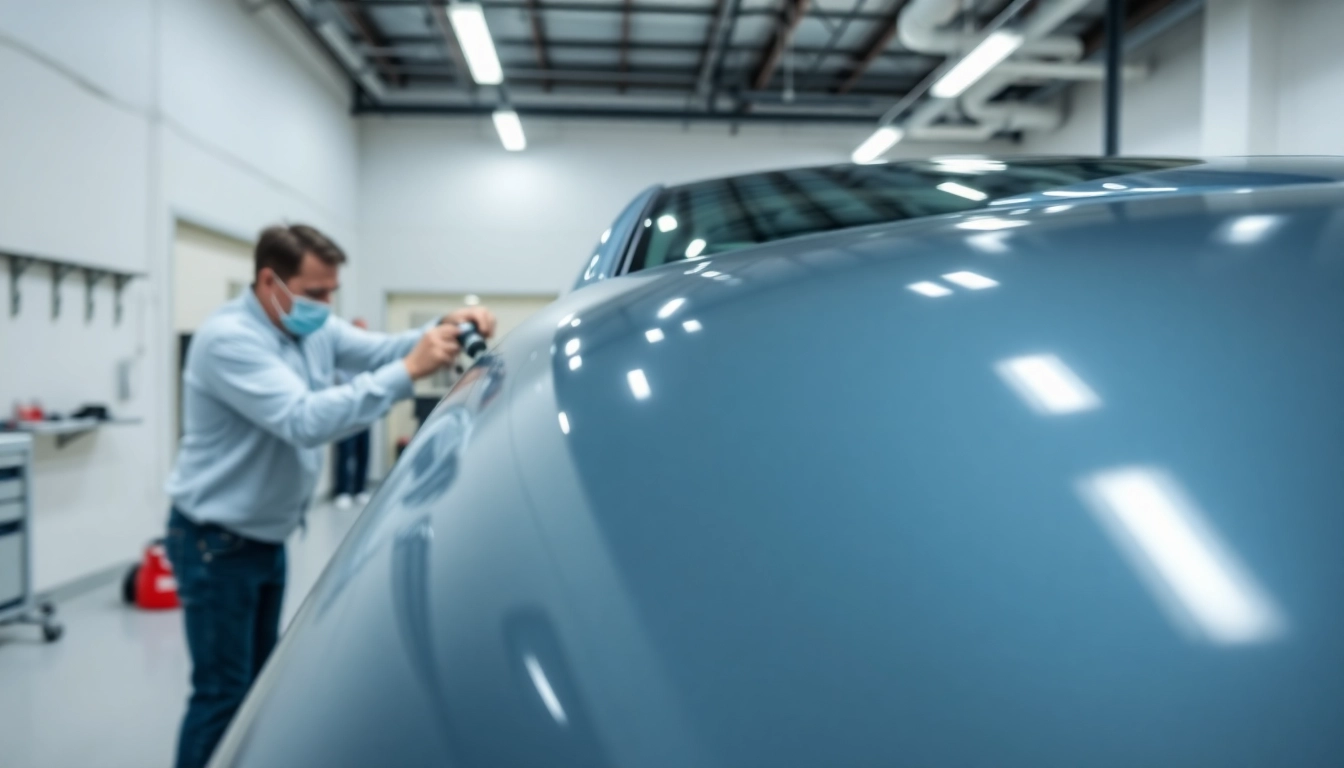
When it comes to window tint installation, you have the option of doing it yourself or hiring a professional. Professional installers bring expertise and experience, ensuring that the film is applied correctly with no bubbles or imperfections. They also typically offer warranties that cover their work.
DIY installations can save money but may lead to costly mistakes if not done correctly. If you choose the DIY route, ensure you are well-informed through detailed guides or instructional videos, as improper installation can negatively impact the appearance and performance of the tint.
Post-Installation Care for Your Tint
Proper care after installation is crucial for prolonging the life of your ceramic window tint. Refrain from rolling down windows for at least 48 hours to allow proper curing. It’s best to clean the tints with non-ammonia-based cleaners and soft cloths to prevent scratching. Additionally, avoid any abrasive materials or harsh chemicals that can damage the film.
Regular inspections for bubbles or peeling should be conducted, allowing you to address any issues promptly. Protect your tint by parking in shaded areas when possible or using sunshades, especially during peak sunlight hours.
Performance and Longevity of Ceramic Window Tint
Expected Lifespan of Ceramic Window Tint
Ceramic window tint is well-regarded for its longevity; high-quality films can last ten years or more, depending on the manufacturer and environmental conditions. Proper installation and care further extend this lifespan, allowing you to enjoy the benefits of enhanced privacy and protection against UV rays for an extended period.
Impact on Vehicle Temperature Regulation
One of the critical advantages of ceramic window tint is its ability to regulate vehicle temperature. By rejecting a significant amount of solar heat, this type of tint helps maintain a cooler interior environment, reducing the need for excessive air conditioning. This can positively impact fuel efficiency, leading to lower operating costs.
Numerous studies have shown that vehicles treated with ceramic window tint maintain a stable temperature, offering a comfortable experience for drivers and passengers. This effectiveness is even more pronounced in hot climates, where ceramic tints can significantly mitigate heat accumulation within the vehicle.
Maintenance Tips for Optimal Performance
Maintaining ceramic window tint is relatively straightforward, yet specific practices can maximize its performance. Firstly, regular cleaning using a soft cloth and mild soap can help avoid buildup of dirt and grime. Always ensure to use non-abrasive products to safeguard the tint’s surface.
Additionally, be observant for signs of wear, such as peeling or discoloration, which may indicate improper installation or low-quality materials. Taking timely action by consulting professionals can help rectify issues and ensure that your ceramic window tint remains functional and visually appealing.
Frequently Asked Questions about Ceramic Window Tint
Is ceramic window tint worth the investment?
Yes, ceramic window tint provides excellent heat rejection and UV protection, resulting in long-term savings on energy costs and enhanced comfort.
How does ceramic window tint affect visibility?
High-quality ceramic window tint enhances visibility by reducing glare while allowing for clarity, making driving safer without compromising natural light.
Can I remove ceramic window tint myself?
Removing ceramic window tint can be challenging. It's advisable to seek professional help to avoid damaging the window or the vehicle’s interior.
What is the cost range for ceramic window tint?
The cost for ceramic window tint varies widely, typically ranging from $300 to $800 depending on the vehicle size and film quality chosen.
Is ceramic window tint legal everywhere?
Legality for ceramic window tint varies by state and country; checking local regulations is essential before installation to ensure compliance.