
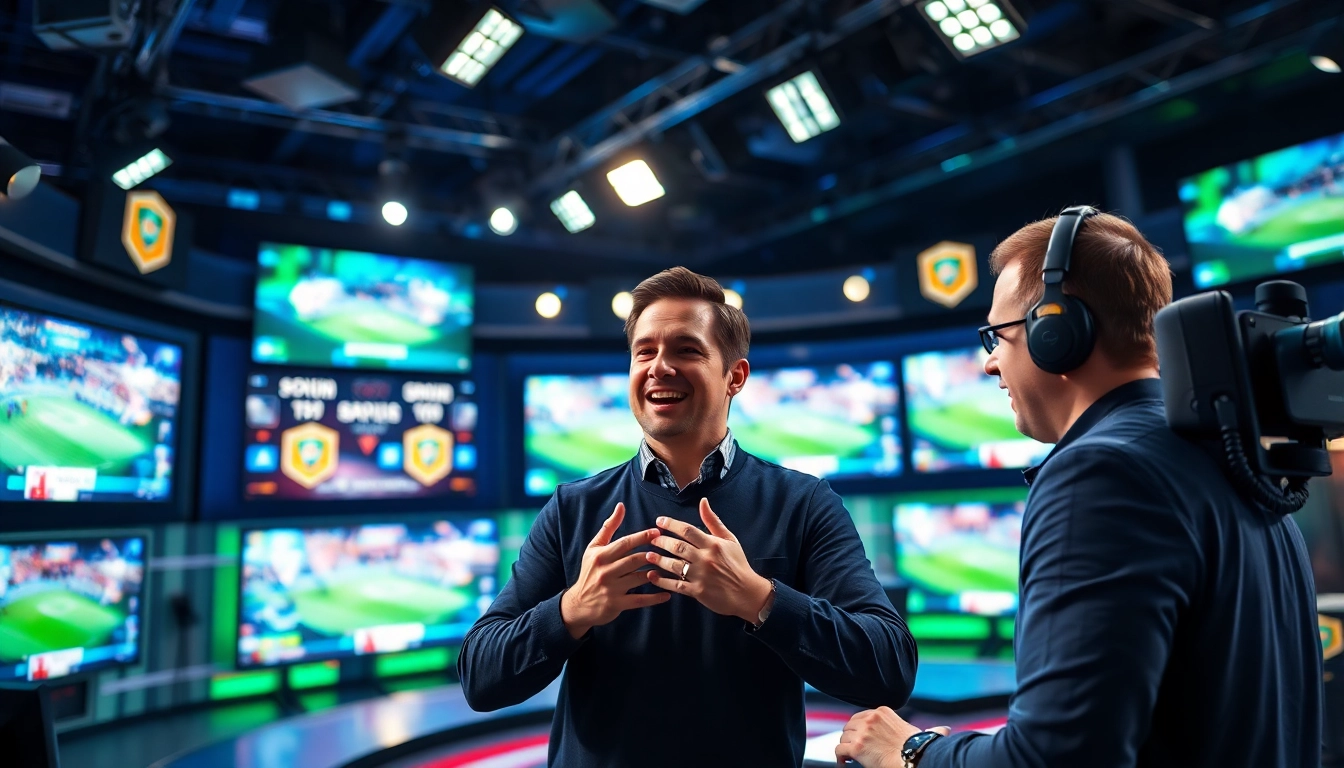
Understanding the Landscape of Sports Broadcasting
Sports broadcasting sits at the exciting intersection between sports and media, bringing fans closer to their favorite teams and events. With the rise of digital platforms, the dynamics of Sports Broadcasting have transformed dramatically, redefining how audiences consume sports content. This article delves into the historical evolution, current trends, essential skills, branding strategies, audience engagement tactics, and performance evaluations that characterize the vibrant field of sports broadcasting.
Historical Perspectives on Sports Broadcasting
The origins of sports broadcasting trace back to the early 20th century, where radio stations began to provide live coverage of significant sporting events. The first-ever sports broadcast occurred in 1921, featuring a boxing match. This marked the advent of a new era, where fans could follow events from the comfort of their homes. With the emergence of television in the 1950s, audience engagement soared as networks provided live coverage of major sporting events, fundamentally changing fan experiences. The introduction of color television and instant replay further added layers of excitement, making sports broadcasting an essential part of American culture.
Trends Shaping the Future of Sports Broadcasting
As we navigate the digital age, several trends are emerging that are poised to shape the future of sports broadcasting:
- Streaming Services Dominance: Traditional broadcasting is being challenged by platforms like Netflix and Amazon Prime, compelling networks to adapt by developing their own streaming services.
- Social Media Integration: Platforms like Twitter, Instagram, and TikTok are being utilized for live updates and fan interactions, enhancing the viewing experience.
- Data Analytics: The rise of big data is allowing broadcasters to tailor content to specific demographics, improving viewer engagement.
- Virtual and Augmented Reality: These technologies are being embraced to create immersive viewing experiences that bring fans closer to the action.
Key Technologies in Sports Broadcasting
Advancements in technology play a vital role in the enhancement of sports broadcasting. Key technologies include:
- High-Definition Cameras: HD cameras capture smoother visuals and bring unprecedented clarity to live broadcasts, improving viewer experiences.
- Graphics and Animation Software: Powerful software is used to create dynamic graphics that enhance storytelling during broadcasts, providing fans with valuable insights in real-time.
- Mobile Streaming Technology: This allows fans to watch live games on their devices, making sports more accessible.
- AI and Machine Learning: AI algorithms are increasingly used in content personalization and automated highlights generation, providing viewers with tailored experiences.
Essential Skills for Sports Broadcasters
Success in sports broadcasting requires a blend of technical knowledge and soft skills. These essentials include:
Communication Skills and On-screen Presence
Broadcasters must possess exceptional communication skills, enabling them to convey information clearly and engagingly. An on-screen presence that exudes confidence and charisma is equally crucial, as viewers often connect more deeply with dynamic personalities who can tell compelling stories on-screen.
Researching and Analyzing Sports Data
Successful broadcasters are well-versed in the nuances of their sports. They must research teams, players, and statistics to provide insightful commentary. Skills in data analysis enable broadcasters to interpret stats and recognize patterns, elevating the quality of reveals during live broadcasts.
Adapting to Live Broadcasting Challenges
Live broadcasting presents challenges such as unexpected events and technical issues. Broadcasters must be quick thinkers, capable of pivoting on-air. Preparedness through rehearsals and simulations can bolster confidence and performance during real events.
Building Your Brand in Sports Broadcasting
In the competitive landscape of sports broadcasting, establishing a strong personal brand is vital for long-term success.
Creating a Unique Broadcasting Style
Every broadcaster should cultivate a signature style that sets them apart. This could range from using humor effectively to adopting a more analytical approach. Understanding one’s persona and expressing that consistently helps build a loyal audience.
Leveraging Social Media for Engagement
Social media platforms are invaluable tools for personal branding. Regularly sharing insights, engaging with fans, and participating in industry discussions can foster community engagement and expand one's reach.
Networking within the Sports Broadcasting Community
Networking is vital for growth. Broaden connections with industry professionals through events, seminars, and social media platforms. Building relationships can lead to collaboration opportunities, mentorship, and increased visibility in the industry.
Strategies for Effective Audience Engagement
Engaging with the audience enhances viewership and fosters community. Here are key strategies:
Understanding Your Audience Demographics
Identify your target audience by analyzing demographics and preferences. Tailoring content that resonates with specific groups enhances viewer experience, driving long-term loyalty and engagement.
Utilizing Interactive Content in Sports Broadcasting
Integrate interactive elements, such as polls and viewer questions during live shows, to foster real-time engagement. This can lead to higher viewer investment and satisfaction.
Feedback and Improvement Mechanisms
Continuously collect viewer feedback through surveys or social media interactions. Using this information to adjust and refine your approach demonstrates to your audience that their opinions matter, fostering loyalty.
Evaluating Success in Sports Broadcasting
Understanding what metrics indicate success is vital for every sports broadcaster.
Key Performance Indicators for Sports Broadcasters
KPIs for sports broadcasting should include viewer ratings, audience demographics, and social media engagement metrics. Monitoring these indicators helps broadcasters understand performance and viewer interests.
Analyzing Viewer Metrics and Trends
Regular analysis of viewer data provides insights into what content resonates best. This understanding enables broadcasters to adapt their strategies for optimizing engagement.
Adapting Strategies Based on Performance Data
Successful broadcasters remain agile, modifying their approaches based on viewer feedback and performance data. This responsiveness can lead to improved viewer satisfaction and loyalty, essential in a competitive landscape.
Frequently Asked Questions
What skills are essential for effective sports broadcasting?
Key skills include strong communication, quick thinking, and thorough sports knowledge for engaging broadcasts.
How can I build my brand in sports broadcasting?
Focus on creating a unique style, engage with your audience on social media, and network within the industry.
What technologies are crucial for sports broadcasting?
Important technologies include video production tools, graphics software, and streaming platforms for live events.
How do I engage a sports audience effectively?
Understand your audience's preferences, create interactive content, and encourage feedback for better engagement.
What metrics should I track in sports broadcasting?
Track performance through viewer ratings, social media engagement, and audience feedback to evaluate success.