
Understanding Sports Broadcasting
What is Sports Broadcasting?
Sports broadcasting refers to the live coverage and commentary of sporting events transmitted via television, radio, or online platforms. This multifaceted discipline encompasses the production, presentation, and analysis of live sports, keeping audiences entertained and informed about their favorite games and athletes. The evolution of technology has enhanced the viewing experience, making sports broadcasting a vital part of modern entertainment culture. Engaging millions of fans worldwide, Sports Broadcasting plays an essential role in connecting viewers with the thrill of competition.
History and Evolution of Sports Broadcasting
The journey of sports broadcasting began in the early 20th century with radio broadcasts of sports events. In the 1920s, radio stations started to cover major games, providing listeners with live play-by-play updates. The advent of television in the 1950s significantly transformed the industry, making it possible to watch the action live in homes. Landmark events like the 1958 NFL Championship Game marked a turning point, capturing millions of viewers and showcasing the potential of televised sports.
Over the decades, technological advancements such as satellite broadcasting, cable networks, and now streaming services have continually reshaped how fans access sports content. High-definition broadcasts, advanced graphics, and immersive experiences (like augmented and virtual reality) have further enriched the viewing landscape, allowing fans to engage with their teams in unprecedented ways.
Importance of Sports Broadcasting in Modern Media
In today's digital age, sports broadcasting occupies a central role in the media ecosystem. It serves not only as a source of entertainment but also as a vehicle for marketing and advertising, driving revenue for leagues, teams, and broadcasters alike. Sports events draw large audiences, which translates to substantial advertising opportunities, making it a lucrative sector.
Additionally, sports broadcasting has the power to foster community and culture, bringing fans together, regardless of geographic boundaries. Events like the Super Bowl or the World Cup create social moments that resonate worldwide, demonstrating the unifying power of sports. As the industry continues to grow, understanding its nuances has never been more essential.
Key Components of Effective Sports Broadcasting
Essential Equipment for Sports Broadcasting
A successful sports broadcast hinges on a well-equipped production team. Key equipment includes high-quality cameras, microphones, and audio mixing consoles to ensure crisp and clear sound and visuals. Multicam setups allow for dynamic shots and angles, enhancing viewer engagement. Broadcast software and mobile production units have also become crucial, especially as more events are streamed live online.
Additionally, remote production tools are now commonplace, enabling teams to cover events globally without the need for a full crew on-site. This technology provides flexibility and cost efficiency, allowing for comprehensive coverage of various sporting events from across the globe. Understanding and investing in the right equipment can drastically improve the quality and appeal of sports broadcasts.
Role of Commentators and Analysts
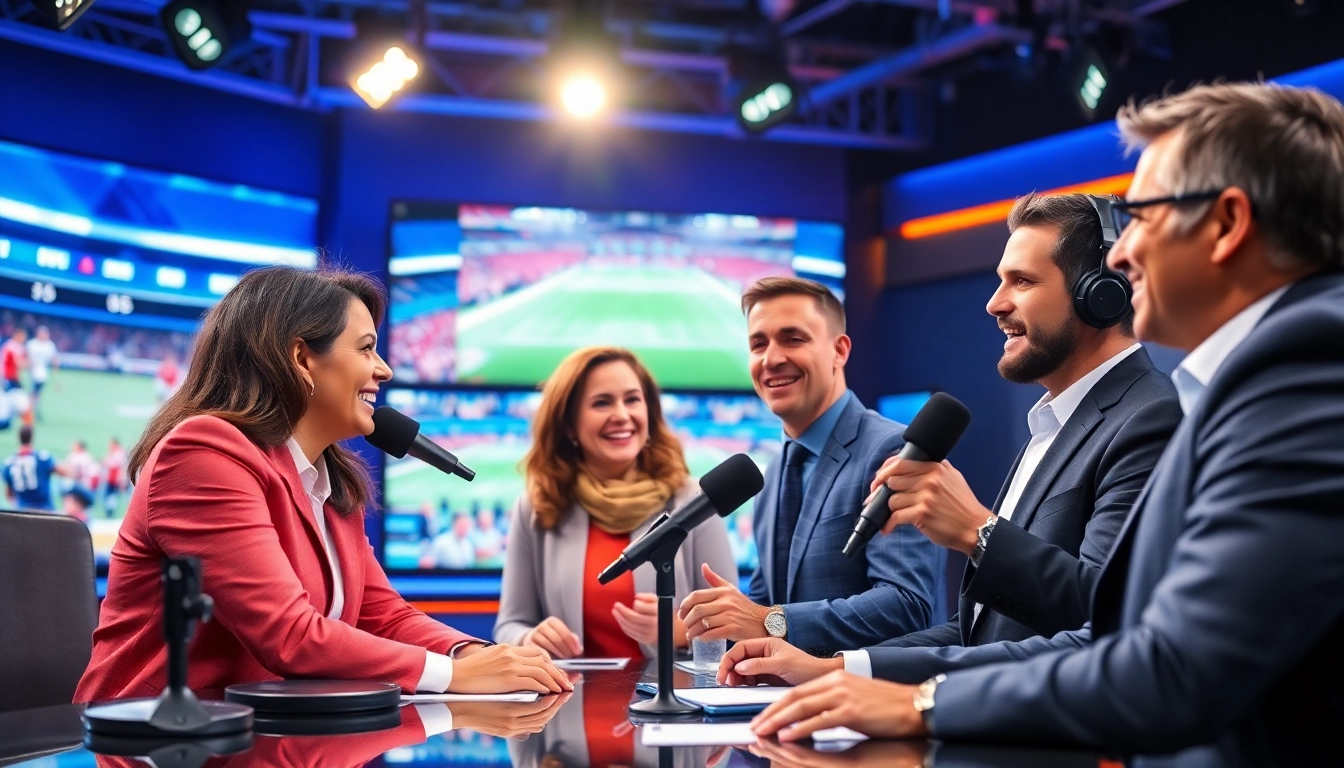
Commentators and analysts are the voices that bring the action to life. Their responsibilities extend beyond mere observation; they provide analysis, context, and insights that enhance the audience's understanding of the game. Effective commentators are adaptable, able to convey excitement and clarity in equal measure, whether calling a decisive moment or providing a detailed breakdown of a play.
Analysts play a crucial role in dissecting player performances, strategies, and statistics, contributing to a richer viewing experience. By engaging with fans through social media and other platforms, they help bridge the gap between viewers and the sport, fostering a sense of connection and loyalty. The dynamic interplay between commentators and analysts is fundamental to captivating sports broadcasts.
Understanding Audience Engagement
Audience engagement is a pivotal aspect of sports broadcasting. Engaged fans are more likely to watch regularly, interact with content on social media, and share their experiences with others. Broadcasters utilize various strategies, such as interactive polls, live chats, and social media integration, to create a participatory atmosphere during broadcasts.
Analytics play an important role; understanding viewer preferences through data helps broadcasters tailor their content to meet audience expectations. Tracking metrics such as viewer retention rates and social media interactions can provide valuable insights into what works best, enabling continuous improvement and innovation in the broadcasting strategy.
Strategies for Successful Sports Broadcasting
Creating Compelling Content
Compelling content is the beating heart of effective sports broadcasting. Producers must focus on creating narratives that captivate audiences, whether through dramatic storytelling, in-depth feature segments, or engaging pre- and post-game analysis. Highlighting personal stories of athletes, historical rivalries, and community impacts can draw viewers in and foster emotional connection.
Utilizing various media formats—such as video clips, graphics, and expert interviews—can enhance storytelling. Consistency in quality and the originality of content will keep audiences returning for more. Additionally, collaborating with content creators and influencers can widen reach and elevate viewer engagement, making it crucial for broadcasters to innovate constantly.
Utilizing Social Media for Audience Growth
Social media has revolutionized how sports broadcasting connects with audiences. Platforms like Twitter, Instagram, and Facebook allow broadcasters to share highlights, interviews, and behind-the-scenes content in real time. This helps cultivate a community of fans who feel more connected to their favorite teams and personalities.
Engagement through social media channels enables two-way conversations between broadcasters and viewers. This not only increases visibility but also provides immediate feedback and insights into what fans want. Adopting a proactive social media strategy is essential; this includes the regular posting of content, responding to comments, and engaging with fan-created content to foster loyalty and community.
Adapting to New Technologies
The rapid evolution of technology in broadcasting is a double-edged sword; while it presents opportunities, it also demands continuous adaptation. Broadcasters must stay ahead of trends such as live streaming, 4K resolution, and immersive experiences like enhanced viewing through augmented and virtual reality.
Incorporating these technologies requires investment and training but can dramatically enhance viewer experience. For example, VR can allow fans to feel as if they are in the stadium during a game, and advanced analytics can provide viewers with personalized content tailored to their interests. Keeping abreast of technological advancements is essential for any successful sports broadcaster aiming to capture and maintain audience attention.
Challenges in Sports Broadcasting
Dealing with Distracted Audiences
In an era where distractions are just a click away, maintaining viewer attention poses a significant challenge. With competing options like social media, video games, and streaming platforms, sports broadcasters must innovate to keep fans interested. This can be achieved through engaging broadcasts, lively commentary, and incorporating viewer feedback.
Additionally, fostering an emotional connection with the audience can help in retaining their attention. Creating moments that resonate—such as fan highlights, community stories, or involvement in social causes—can draw viewers back for future broadcasts, effectively turning passersby into loyal fans.
Maintaining Broadcasting Standards
Ensuring high-quality broadcasts consistently is a challenge faced by many in the industry. This commitment to quality includes optimal sound and video quality, engaging commentary, and a smooth production process. Audience expectations continue to rise, making it essential for broadcasters to invest in personnel training, technology, and production processes.
Implementing regular quality checks and incorporating audience feedback can help ensure standards are met. Collaborating with experienced professionals, employing data analytics, and maintaining industry best practices will build trust and credibility with viewers over time.
Addressing Ethical Concerns in Sports Broadcasting
Ethics in sports broadcasting are increasingly scrutinized, touching upon issues related to accuracy, bias, and representation. The responsibility lies with broadcasters to present content truthfully and fairly. Misinformation or biased reporting can damage reputations and alienate audiences.
Ensuring diverse representation, thoughtful coverage of sensitive issues, and giving voice to various perspectives within sports contribute to ethical broadcasting. Training staff and implementing clear guidelines can help navigate complex narratives and maintain trust with audiences.
Future Trends in Sports Broadcasting
Impact of Streaming Services on Viewing Habits
The rise of streaming services has transformed how audiences consume sports content. With the convenience of watching on-demand, fans now seek content that fits their lifestyle, leading to fragmented viewing habits. Traditional broadcasts must adapt by offering flexible viewing options that appeal to this new consumer behavior.
Broadcasters need to explore partnerships with platforms dedicated to streaming sports content while also considering their own exclusive streaming options. Engaging fans through app-based notifications and interactive features will help retain viewership in an increasingly competitive landscape.
Emerging Technologies in Sports Broadcasting
Emerging technologies, such as artificial intelligence, machine learning, and data analytics, are beginning to shape the future of sports broadcasting. AI can analyze vast amounts of data, providing insights that enhance commentary and analysis. Likewise, machine learning algorithms can tailor viewing experiences based on individual preferences.
Moreover, the development of 5G technology promises faster streaming and improved connectivity, allowing for richer experiences including high-quality video and augmented reality interactions during live events. Embracing and implementing these technologies is imperative for staying relevant in the future broadcasting landscape.
Potential Changes in Audience Preferences
As audience demographics shift, preferences in sports broadcasting will evolve. Younger viewers increasingly favor short-form content, bite-sized highlights, and immersive experiences. Broadcasters must be prepared to adapt, offering diverse formats that cater to these changing tastes.
Understanding the cultural and social trends influencing younger audiences enables broadcasters to craft relevant, relatable content. Incorporating lifestyle elements and addressing social issues directly within broadcasts can help capture the attention of these future fans, ensuring sustained growth in viewership.
FAQs
What is the difference between sports broadcasting and sports journalism?
Sports broadcasting focuses on live coverage and commentary, while sports journalism involves in-depth articles and reporting. Broadcasting emphasizes real-time engagement, whereas journalism seeks to analyze and investigate beyond the immediate spectacle.
How can I improve my skills in sports broadcasting?
Practice regularly, study great broadcasters, take courses, and seek feedback to enhance your skills. Building a strong foundation through consistent effort and reviewing performance can significantly improve your broadcasting capabilities.
What equipment do I need for sports broadcasting?
Essential equipment includes microphones, cameras, mixers, and broadcasting software to ensure high-quality output. Investing in quality technology and continuous training on its use will enhance overall broadcasting quality.
Why is audience engagement important in sports broadcasting?
Engaged audiences are more likely to return for future broadcasts, interact with content, and share their experiences. This engagement fosters community and loyalty, which are critical for long-term success in broadcasting.
What role do analysts play in sports broadcasting?
Analysts provide insights, statistics, and expert commentary to enhance the viewing experience and inform the audience. Their analysis deepens fans' understanding of the sport, elevating the overall quality of the broadcast.