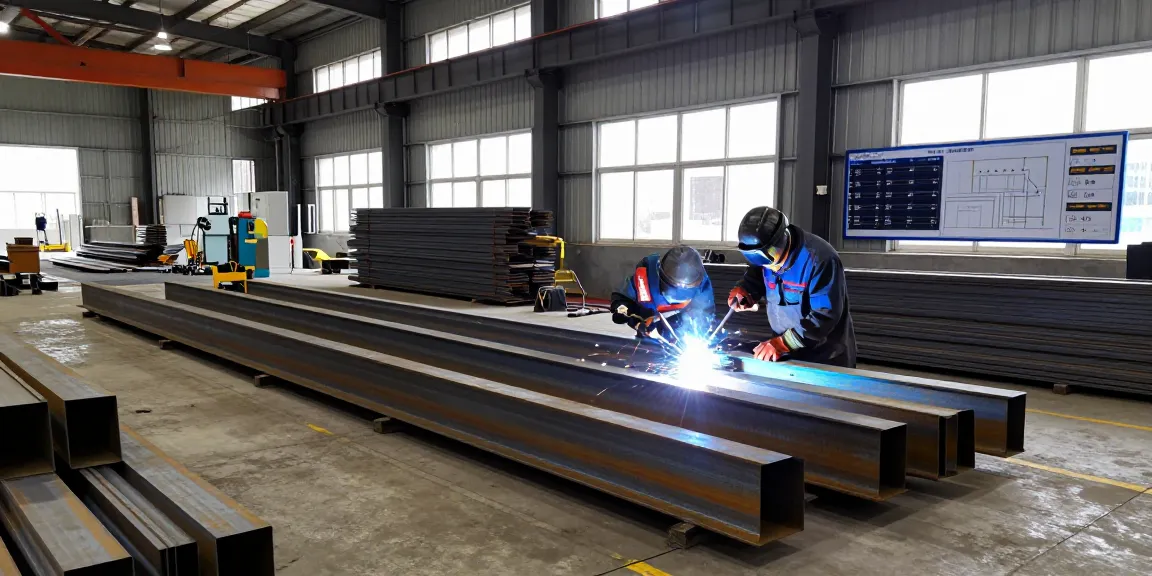


Understanding Manufacturing Scheduling Software
What is Manufacturing Scheduling Software
Manufacturing scheduling software is a specialized tool designed to facilitate the planning, tracking, and management of production processes in manufacturing organizations. This software aids manufacturers in optimizing their production schedules by automating tasks, allocating resources wisely, and enhancing collaboration across various departments. By leveraging technologies like real-time data analysis and artificial intelligence, manufacturing scheduling software helps streamline operations, reduce downtime, and ensure that products are delivered to market efficiently. As the manufacturing landscape grows increasingly complex, adopting a robust Manufacturing scheduling software solution becomes crucial for maintaining competitive edge.
Key Features to Look For
When selecting manufacturing scheduling software, specific features can significantly enhance user experience and operational efficiency. Here are key features to consider:
- Real-time Scheduling: Capability to adjust schedules on-the-fly based on real-time data allows for quick responses to production changes.
- Multi-site Capability: Supports businesses operating multiple sites by providing a centralized view of all production schedules.
- Resource Allocation: Efficiently allocates machinery, labor, and materials to avoid bottlenecks and optimize productivity.
- Forecasting Tools: Uses historical data to predict future demands, assisting in proactive planning.
- User-friendly Interface: An intuitive interface helps users quickly adopt the software without extensive training.
Benefits of Using Manufacturing Scheduling Software
Employing manufacturing scheduling software provides various benefits that can enhance overall business performance:
- Increased Efficiency: Automation of repetitive tasks and better resource management lead to increased operational efficiency.
- Improved Accuracy: Reduces human errors associated with manual scheduling, thus ensuring accurate production timelines.
- Enhanced Visibility: Offers a comprehensive overview of the production process, allowing for better decision-making.
- Cost Reduction: Optimizing resource use and minimizing waste can lead to significant cost reductions.
- Greater Flexibility: The ability to quickly adjust schedules in response to changes ensures consistent production flow.
Challenges in Manufacturing Scheduling
Common Scheduling Issues
Manufacturers often face numerous scheduling issues, including:
- Resource Conflicts: Competition for limited resources can lead to scheduling delays.
- Unforeseen Downtimes: Machine breakdowns or supply chain disruptions can derail production schedules.
- Complexity of Operations: Diverse product lines can complicate schedule management.
- Communication Gaps: Poor communication among departments can lead to scheduling errors.
Impact on Productivity
These scheduling issues can have profound impacts on productivity:
- Delayed Deliveries: Missed production deadlines lead to delayed deliveries, which can tarnish customer relationships.
- Increased Costs: Inefficient schedules often result in increased labor and operational costs.
- Lower Morale: Constant re-scheduling and confusion can demotivate employees.
Strategies to Overcome Challenges
To tackle these challenges effectively, consider the following strategies:
- Implement Robust Software: Invest in advanced scheduling software that automates processes and improves accuracy.
- Regular Training: Provide ongoing training for staff to ensure effective use of scheduling tools.
- Foster Communication: Encourage cross-departmental communication to streamline operations and gain insights into scheduling challenges.
- Conduct Regular Reviews: Regularly review scheduling processes to identify bottlenecks and areas for improvement.
Implementing Manufacturing Scheduling Software
Steps for Successful Implementation
Implementing manufacturing scheduling software requires careful planning and execution. Here are detailed steps for successful implementation:
- Assessment of Needs: Evaluate your scheduling challenges and clarify your objectives to choose a suitable software solution.
- Choosing the Right Solution: Select a software solution that meets the specific needs of your business, focusing on scalability and key features.
- Data Migration: Plan for a smooth data transfer from existing systems to avoid data loss and ensure continuity.
- Testing Phase: Conduct thorough testing to identify potential issues before the software goes live.
- Launch and Monitor: Launch the software and continuously monitor its performance to ensure goals are met.
Training Your Team
Training is integral to the success of your scheduling software implementation. Ensure that:
- Comprehensive Training Sessions: Offer thorough training sessions covering all aspects of the software for all relevant staff.
- Ongoing Support: Provide ongoing support and resources for staff to reference when they encounter issues.
- Encourage Feedback: Solicit feedback from users to identify areas for improvement in training programs.
Choosing the Right Vendor
Selecting a reputable vendor is crucial for a successful implementation. Consider these factors:
- Reputation: Check the vendor’s track record and customer reviews to ensure reliability.
- Support and Service: Assess the level of customer support provided post-purchase.
- Scalability: Choose a vendor that offers a solution adaptable to your growing business needs.
Measuring the Impact of Manufacturing Scheduling Software
Key Performance Metrics
After implementation, measuring the effectiveness of your manufacturing scheduling software is vital. Key performance metrics to analyze include:
- On-time Delivery Rate: Measure the percentage of orders delivered on time to assess scheduling accuracy.
- Utilization Rate: Assess the effectiveness of resource usage by calculating how well resources are utilized during production.
- Lead Time: Track the time taken from order to delivery to evaluate efficiency in order processing.
Evaluating Software Effectiveness
Regular evaluation of the software effectiveness is essential. Consider utilizing:
- User Feedback: Gather user experiences to assess ease of use and effectiveness.
- Performance Analytics: Use built-in analytics to review production patterns regularly.
Continuous Improvement Strategies
To ensure the ongoing success of your scheduling software, consider adopting these strategies:
- Stay Updated: Regularly update the software to incorporate the latest features and improvements.
- Review Processes: Continually assess scheduling processes and refine them based on performance findings.
- Adapt to Changes: Stay flexible and adapt production schedules based on market demand and other external factors.
Future Trends in Manufacturing Scheduling
Technological Advancements
Emerging technologies are transforming manufacturing scheduling. Anticipated advancements include:
- Artificial Intelligence: AI is set to revolutionize scheduling through smarter predictive capabilities.
- Internet of Things (IoT): IoT devices will provide real-time data, assisting in more precise scheduling.
Integration with Other Systems
Future trends indicate a move toward greater integration with other business systems. Key integrations include:
- ERP Systems: Integration with Enterprise Resource Planning (ERP) systems streamlines processes between departments.
- Supply Chain Management: Aligning scheduling software with supply chain management enhances overall efficiency.
Forecasting Future Needs
Forecasting future needs will play a critical role in effective manufacturing scheduling. Manufacturers should:
- Adapt to Market Trends: Analyze market dynamics regularly to anticipate production needs.
- Utilize Historical Data: Leverage data analytics tools to inform future scheduling based on past performance.
Frequently Asked Questions
1. What are the benefits of using manufacturing scheduling software?
Manufacturing scheduling software enhances efficiency, accuracy, and visibility, leading to reduced costs and improved flexibility in operations.
2. How does manufacturing scheduling software improve productivity?
It automates scheduling tasks, optimizes resource allocation, and minimizes disruptions, contributing to higher productivity levels.
3. What challenges can arise during implementation?
Common challenges include data migration issues, resistance to change from staff, and potential integration problems with existing systems.
4. How can I evaluate the effectiveness of my scheduling software?
Monitor key performance metrics such as utilization rates, on-time delivery rates, and gather user feedback to evaluate effectiveness.
5. What future trends should I be aware of in manufacturing scheduling?
Expect advancements in AI technologies, increased integration with ERP systems, and a greater focus on predictive analytics for scheduling.